The Couple's Spa Night
Pushing your limits at the gym or on the running track feels fantastic, but the real magic happens afterwards. When you exercise, you are essentially causing microscopic damage to your muscle fibres. It is during the rest period that your body repairs this damage, building back stronger and more resilient tissue. Without adequate recovery, you risk injury, fatigue, and burnout, which can derail your progress entirely. For couples who train together or simply share a busy, active lifestyle, dedicating time to recovery is not just about physical maintenance; it is an opportunity to reconnect. A DIY spa night focuses on active recovery techniques like massage and assisted stretching, which improve blood flow and flexibility far better than simply collapsing on the sofa.
Setting the scene for relaxation
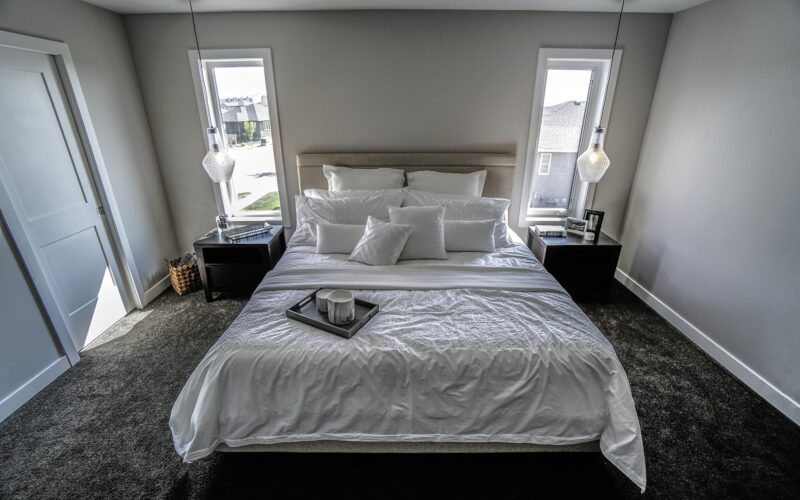
Creating the right environment is the first step in transforming your living room into a recovery sanctuary. You do not need expensive equipment, but ambiance plays a crucial role in lowering cortisol levels and signalling to your nervous system that it is time to unwind. Dim the lights, perhaps light a few candles, and ensure the room is warm enough that you won’t feel a chill while stretching. Soft, instrumental music or a nature soundscape can help drown out the noise of the outside world. Have plenty of hydration available—water infused with cucumber or lemon is a spa staple for a reason—and ensure you have comfortable mats or a plush rug to lie on. This preparation shifts your mindset from "doing" to "being," which is essential for effective physical release.
The power of partner-assisted stretching
Stretching on your own is beneficial, but partner-assisted stretching allows you to go deeper into movements safely. When you stretch alone, your muscles often tense up to protect you from overextending. With a partner supporting the weight of your leg or arm, your muscles can relax more completely, allowing for a deeper range of motion. Focus on the major muscle groups that take a beating during the week: the hamstrings, hip flexors, and shoulders. For example, a simple hamstring stretch where one partner lies on their back while the other gently lifts their leg can relieve significant tension in the lower back. Communication is key here; always check in with your partner about the intensity to ensure the stretch feels productive, not painful.
Basic massage techniques for non-professionals
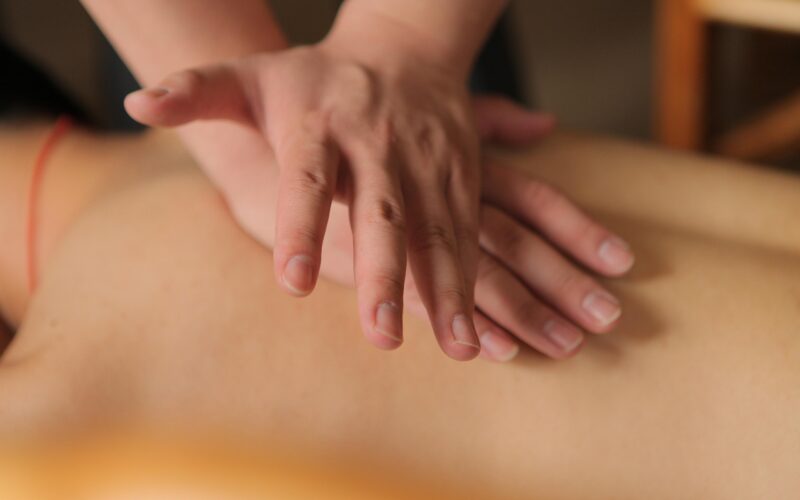
You do not need a diploma in physiotherapy to provide a soothing massage that aids recovery. The goal isn't to fix medical issues but to stimulate circulation and help flush out metabolic waste products like lactic acid. Start with effleurage, which consists of long, sweeping strokes towards the heart to warm up the tissue. Use a high-quality oil or lotion to prevent friction. Once the muscles are warm, you can use kneading movements—similar to kneading dough—on fleshy areas like the calves or thighs. Be cautious around the spine and joints; focus pressure on the muscle belly instead. This tactile connection releases oxytocin, the bonding hormone, making it a powerful way to reduce stress for both the giver and the receiver.
Focusing on the feet and hands
Often neglected, our hands and feet carry much of the tension from our daily activities, whether that is typing at a desk or pounding the pavement during a run. These extremities are packed with nerve endings and respond incredibly well to focused attention. A simple foot massage can have a ripple effect of relaxation throughout the entire body. Use your thumbs to apply firm pressure to the arches of the feet and gently pull and rotate each toe. Similarly, massaging the fleshy part of the palm and the forearms can alleviate the strain of grip-heavy workouts. This attention to detail feels luxurious and addresses the often-overlooked areas that contribute to overall kinetic chain dysfunction.
Hydration and post-recovery nutrition
After your session of stretching and massage, your body is primed for nourishment. The increased circulation from the massage moves lymph fluid around the body, and rehydrating is vital to help flush out toxins released from the muscles. Sip water or herbal tea immediately after your session. Follow this with a light, protein-rich snack to support muscle repair. Greek yoghurt with berries or a small smoothie are excellent choices that won't sit too heavily in your stomach before sleep. This final step seals in the benefits of your spa night, ensuring that you wake up the next morning feeling less stiff and more energised.
Making it a weekly ritual
Consistency is the secret ingredient to any fitness regime, and recovery is no exception. While a one-off spa night is a treat, making it a regular Friday or Sunday evening ritual can transform your physical health and your relationship. It creates a dedicated space in your calendar where the focus is solely on care and connection, free from screens and work emails. Over time, you will likely notice improved flexibility, fewer aches and pains, and a better understanding of each other's physical needs. By prioritising this shared recovery time, you are investing in your longevity as a couple, both inside and outside the gym.